
Washing Organic Produce: The What, Why, and How
As more people embrace organic living, questions often arise around washing organic produce and proper care of fresh food. Many people ask: Do you need to wash organic produce? The short answer is yes. While organic fruits and vegetables are grown without synthetic pesticides and fertilisers, proper organic food safety practices are still essential.
Whether you grow your own food or purchase it from a reputable organic farmer, understanding how to wash organic vegetables and fruit correctly helps maintain freshness, hygiene and peace of mind.
Why Wash Organic Produce?
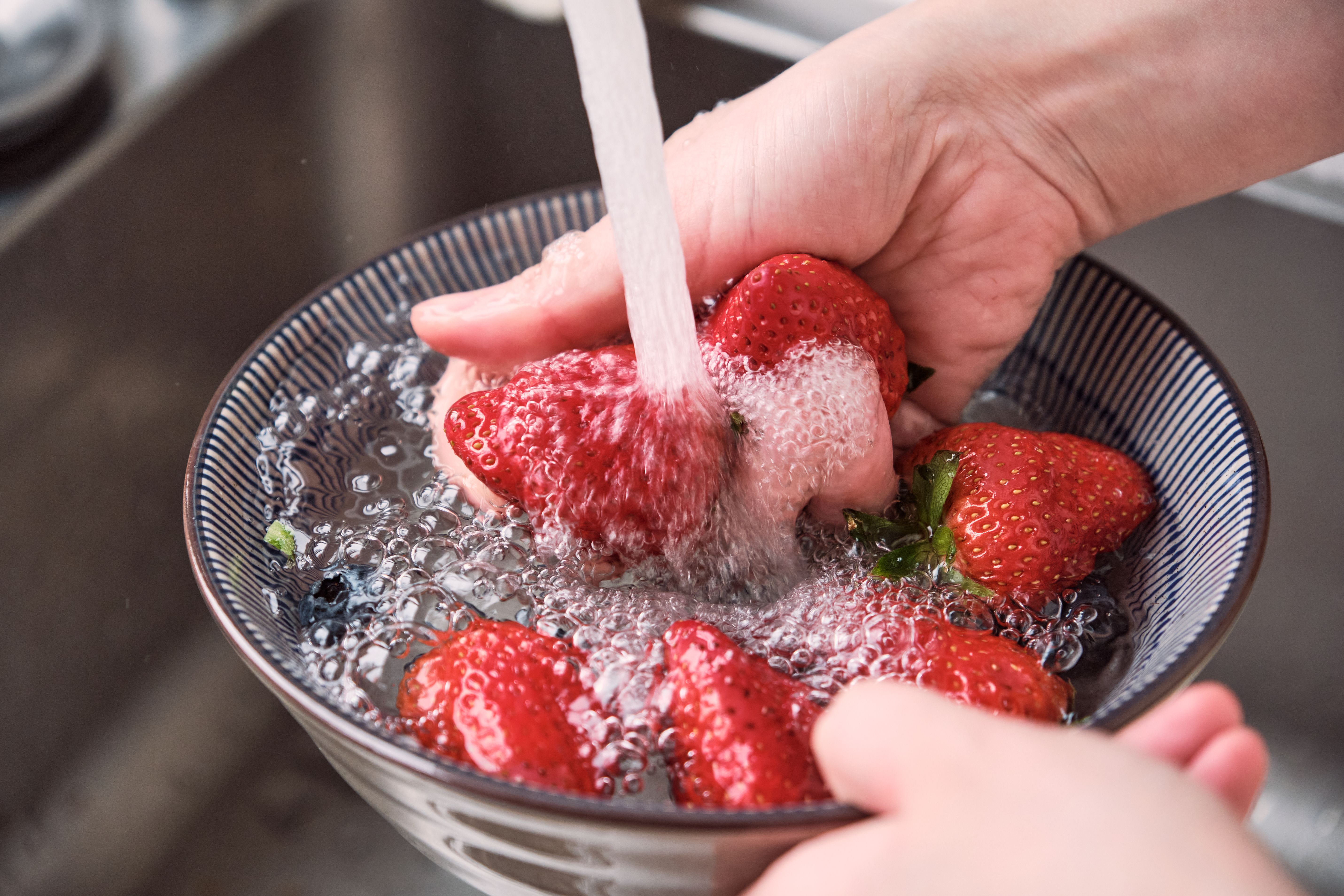
Organic fruits and vegetables are grown using natural farming methods, making them a preferred choice for many households. However, even organic produce can be exposed to contamination from various sources.
Understanding why you should wash organic vegetables before eating comes down to a few simple factors:
- Natural soil residues: Even organic produce can carry dirt, sand and natural debris.
- Handling from farm to store: Store-bought organic produce may pass through multiple hands before reaching your kitchen.
- Transport and storage exposure: Open-air markets and transport conditions can introduce additional contaminants.Washing your produce is a simple but effective way to minimise these risks.
Practising proper cleaning of organic fruits and vegetables is a simple yet effective way to support better food hygiene at home.
Washing Techniques for Organic Produce

If you’ve ever wondered about the best way to clean organic produce naturally, here are simple and effective steps to follow:
- Wash your hands thoroughly before handling produce to reduce the risk of transferring bacteria.
- Cut away damaged or bruised areas before preparing your fruit or vegetables.
- Rinse under cool, running water, gently rubbing surfaces to remove dirt and debris.
- Use a soft-bristled brush for firm produce such as melons, carrots or potatoes to remove stubborn soil.
- Pat dry with a clean towel or cloth after washing.
- Store washed produce in the refrigerator to maintain freshness.
Growing Your Own Organic Produce
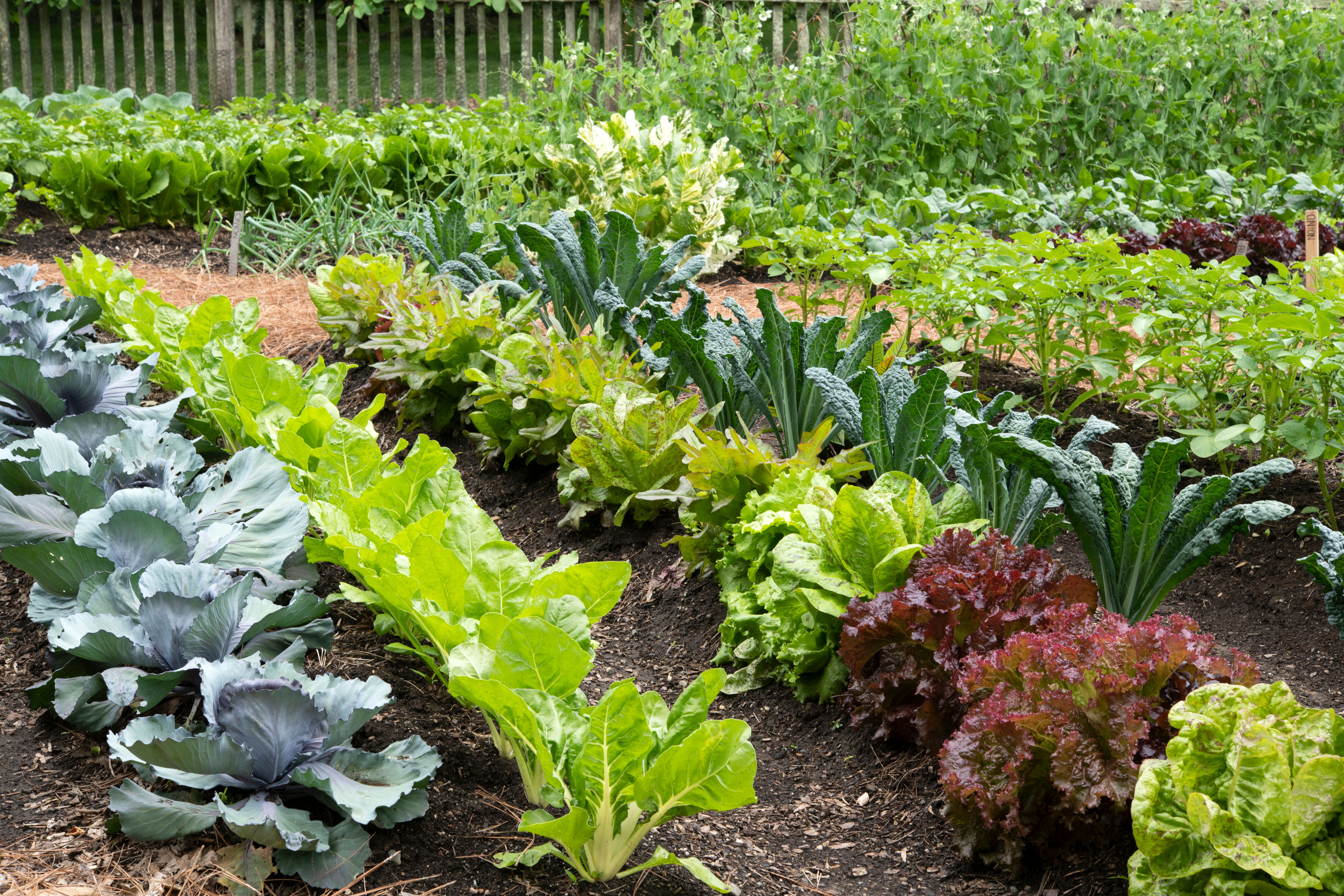
Growing your own food is one of the most rewarding parts of organic living. However, even when harvesting from your garden, washing homegrown vegetables safely remains important.
- Practise good personal hygiene when handling compost or manure. Always wash your hands before harvesting.
- Ensure proper water drainage in your garden to reduce the risk of harmful bacteria.
- Regularly clean tools and equipment to prevent cross-contamination.
Even homegrown food benefits from proper rinsing and safe handling practices.
Does Organic Produce Need to Be Washed?
Yes, even without synthetic chemicals, organic produce can still carry soil, natural bacteria and handling residue. Understanding how to properly wash organic fruits and vegetables supports better food safety and helps you get the most from your organic choices.
With a few simple steps and natural cleaning methods, you can confidently enjoy clean, fresh organic produce every day.